ТЕМА НОМЕРА: КОММЕРЦИАЛИЗАЦИЯ ИННОВАЦИЙ
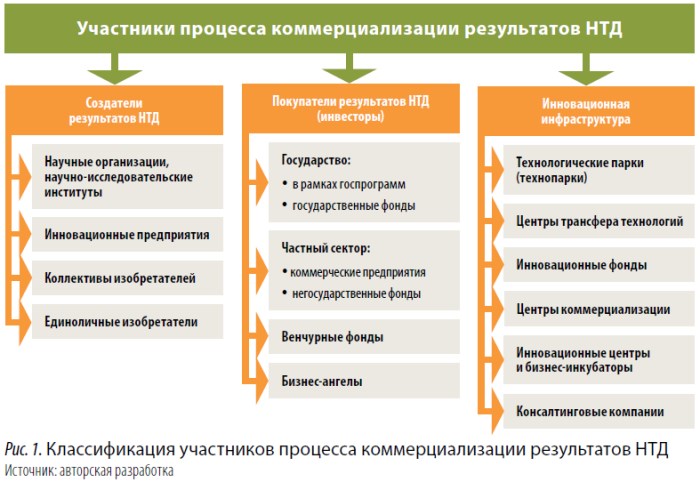
The author defines the role and organizational and economic aspects of commercializing R&D results in the National Innovation System at the current stage.
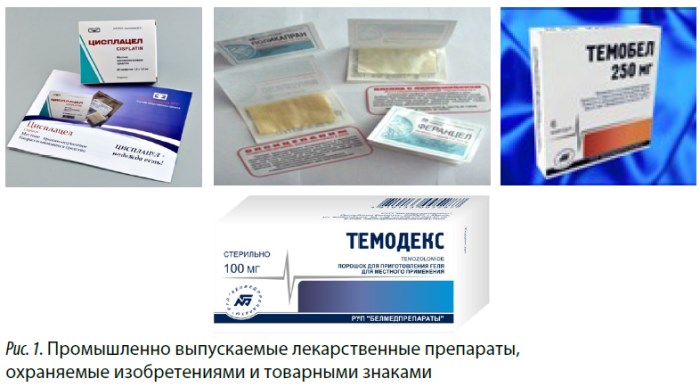
An algorithm is presented to facilitate the solution of the country's socioeconomic challenges related to higher effectiveness of commercializing R&D results.
Deputy Chairman of the Presidium of the National Academy of Sciences of Belarus Sergei Shcherbakov discusses the enforcement practices for purchasing R&D products created under state programs with budgetary funds from a single source.
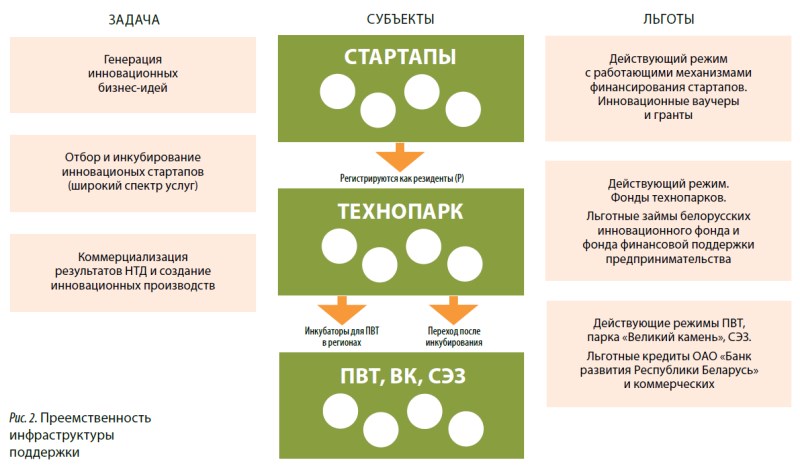
The study investigates the comprehensive support of SMEs' innovative activities at all stages of the innovation cycle. It characterizes the components of effective commercialization of scientific and technical results and the implementation of SME innovative projects. The study analyzes the conditions of the system for supporting SMEs' innovative projects and identifies key issues related to the functioning of this system. The specific directions for infrastructure development for the commercialization of scientific and technical results and the implementation of innovative projects are proposed: technology parks, engineering centers, industry laboratories, and technology transfer centers. Based on the findings, the author has developed recommendations for improving the financing and service support for the commercialization of scientific and technical results by SMEs. This does not imply the introduction of new instruments requiring significant legislative changes, but rather, above all, the successful operation of the existing system.
The article considers conceptual approaches to using the Technology Readiness Scale, highlighting the prerequisites for its application, advantages, and disadvantages
The article examines current issues related to the commercialization of R&D in the Belarus’ dairy processing industry in the context of increasing global competition

The article describes the measures taken by the Scientific and Practical Center for Crop Production of the National Academy of Sciences of Belarus aimed at the widespread adoption of high-quality domestically bred varieties and hybrids into commercial circulation to ensure import substitution and food security for the country
Guests at the Science and Innovation journal’s scientific lounge share their views on the most effective models of cooperation with industry and discuss the systemic barriers hindering the implementation of innovations in the real economy.
НАУКА СО ЗНАКОМ КАЧЕСТВА
First Deputy Chairman of the Presidium of the National Academy of Sciences of Belarus Vitaly Zalessky and Scientific Secretary of the Institute Anna Basalai discuss key areas of cooperation with industry, the role of the Institute in adapting technologies to modern requirements, and the importance of integrating scientific research into practice.
DIGITAL PERSPECTIVE
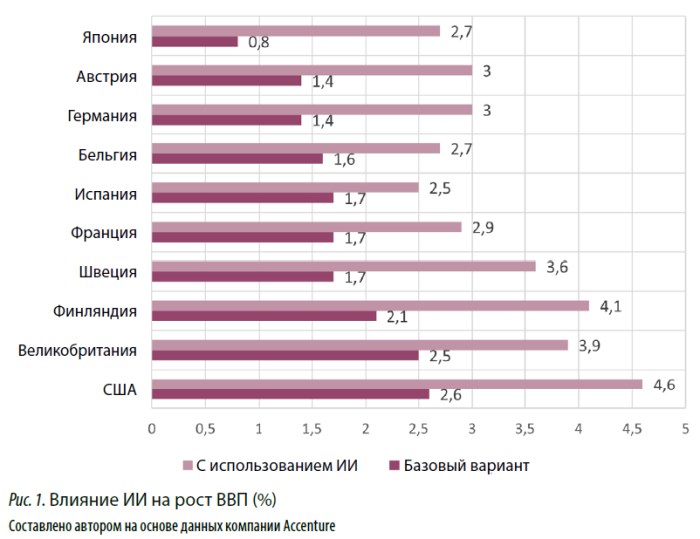
The article provides a comprehensive analysis of the transformative potential of artificial intelligence within the context of the modern economic landscape.
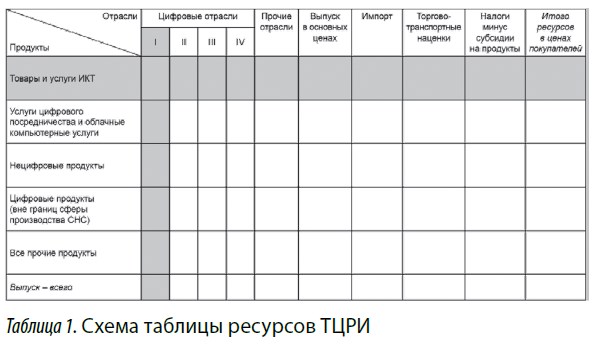
The article provides a description of the methodological foundations that formed the basis for the national accounts standards development in the field of digitalization.
DISCOVERING YOURSELF
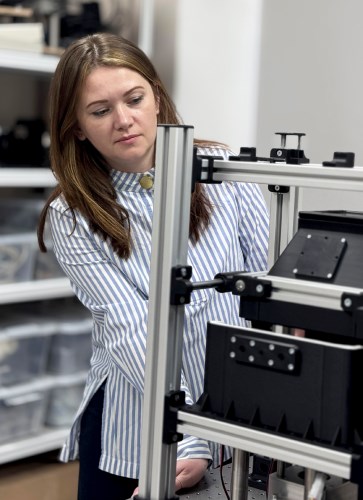
The featured guest in the “Discovering yourself” column tells the story of her career choice, which revolves around physics as a field for self-realization.
CHERNOBYL: 40 YEARS OF REFLECTION

Using actual documentary material, the technical and other preconditions for the largest 20th century man-made disaster are analyzed. There is provided a chronicle of events related to the Chernobyl accident, conclusions about its consequences, and a list of scientifically based measures for preventing emergencies at nuclear power plants.
DISSERTATION RESEARCH
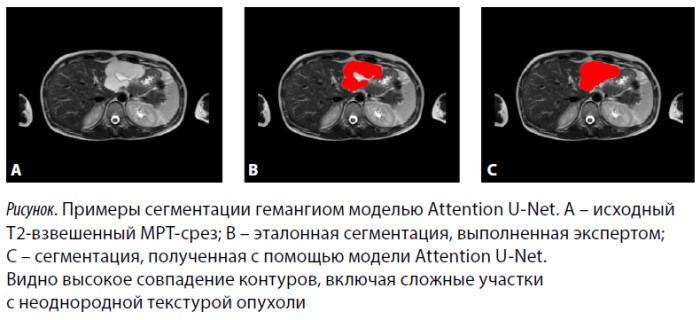
This paper presents a method for the automatic segmentation of liver hemangioma in magnetic resonance imaging (MRI) developed by the authors, based on modifications of the U-Net convolutional architecture. An experimental comparison was conducted between the baseline U-Net, U-Net++, and Attention U-Net. It was confirmed that the Attention U-Net model, utilizing a Spatial and Channel Squeeze-and-Excitation (scSE) attention mechanism and a combined loss function (Dice + Focal Loss), achieves the best performance, demonstrating a mean Dice Similarity Coefficient (DSC) of 84.65% on a private dataset. This result is comparable to state-of-the-art benchmarks, particularly when dealing with data characterized by significant class imbalance. To validate the method in conditions approximating clinical practice, a software prototype was developed featuring a graphical user interface and the capability for integration into PACS systems via the DICOMweb protocol.

ISSN 2412-9372 (Online)