ISSUE TOPIC: EVOLUTION OF THE LABOR MARKET
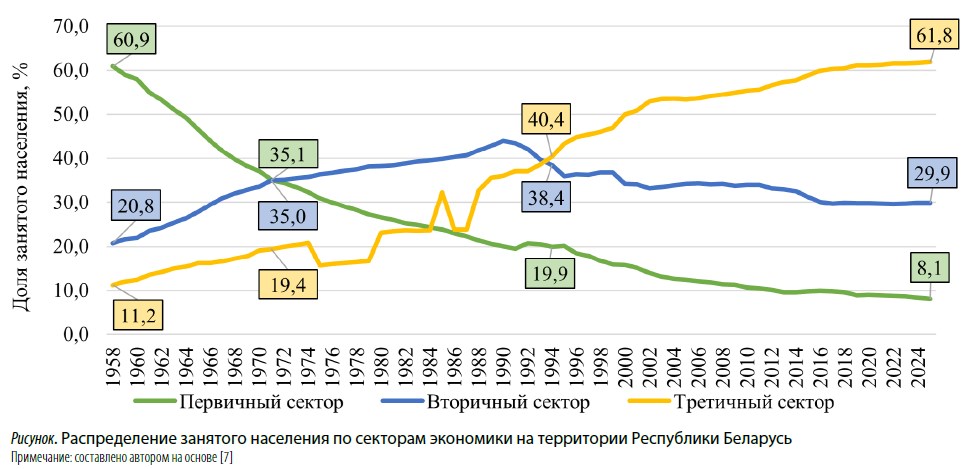
The paper examines the historical development of the labor market in the context of the technological paradigms shift. The author offers a periodization that shows the global trends reflecting in specific national contexts.

The article analyzes the institutional development of the national higher education system in the Republic of Belarus. There were highlighted the positive achievements that have been preserved, and presented the advanced and sophisticated approaches used today.
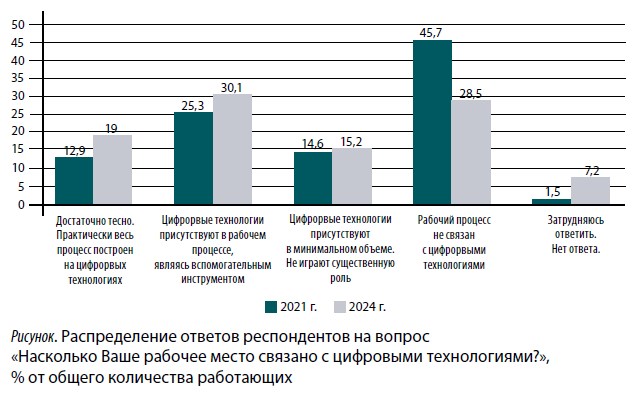
An analysis of workers’ behavior in the context of labor market transformation was conducted among groups having the highest digital inclusion, confidence, and readiness for retraining, as well as workers with lower engagement and a higher risk of falling behind. The analysis highlights the need for targeted measures to reduce digital inequality.

The article considers the list of professions that are becoming in-demand and promising in the context of the technological revolution. The flexibility of domestic educational institutions, which respond promptly to the modern challenges, has been noted.

The article considers the problems related to mainstreaming the employment of persons with disabilities and their family members. It emphasizes the availability of social guarantees and legislative support in Belarus, essential components of a well-functioning employment sector for vulnerable groups.
INNOVATION ECONOMY

The comprehensive set of scientific and practical measures has been developed to enhance the knowledge intensity of Belarus's GDP in accordance with an analysis of global experience in state support and stimulation of venture funds, activation of international scientific and technical cooperation in macroeconomic and regional aspects, development of innovation clusters, and infrastructure to support innovative activities. Recommendations have been formulated to ensure the growth of ICT services exports in the Republic of Belarus, taking into account global experience and the conditions of sanctions imposed by unfriendly countries. These include strategic state planning and institutional-legal support for ICT startups, measures to modernize the technical education system, and the development of educational services exports in the EdTech sector, as well as actions to overcome digital inequality and activate domestic demand for ICT.
DIGITAL PERSPECTIVE

The article presents the basic concepts and operating principles of physical AI, its development prospects, and shows the need for its legal regulation.
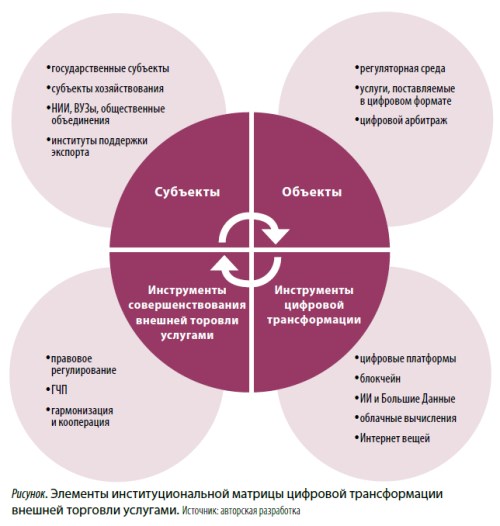
Currently, the digital transformation of foreign trade in services is not so much a com petitive advantage that allows for advancement compared to counterparties, but rather a systemic imperative, a prerequisite for the development of foreign trade. International trade in services is becoming a trade in digital products and competencies; digital platforms are reducing transaction costs and service delivery times; leading global markets are demanding digital interactions through the use of electronic contracts, digital signatures, and solutions to cybersecurity issues. In the Re public of Belarus, close attention is being paid to the development of digital transformation: digital transformation is identified as a key priority in the Program for the Socioeconomic Development of the Country for 2026–2030, which was discussed at the All-Belarusian People's Assembly in December 2025. This article examines the main regulatory documents governing the establishment and development of digital transformation in the Republic of Belarus. It is determined that the digital transformation of foreign trade in services requires improving the institutional environment. An institutional framework for the digital transformation of foreign trade in services is proposed, including institutional objects, institutional entities, instruments influencing foreign trade in services, and digital transformation tools.
POINT OF CONVERGENCE
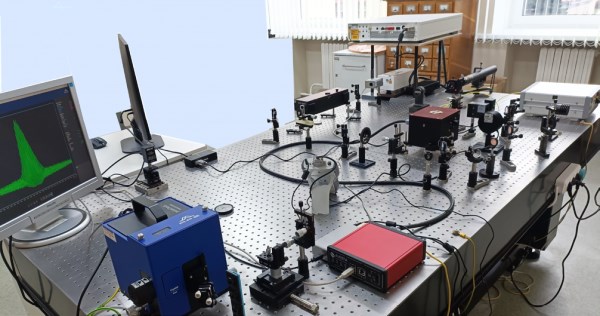
The authors describe the activities of the Industry laboratory for testing laser and optoelectronic equipment, which develops and creates national physical unit standards.
CHERNOBYL: 40 YEARS OF REFLECTION
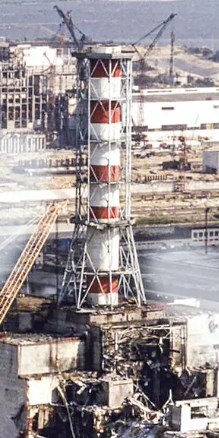
The study analyzes the experience of addressing the health needs of the Belarusian population affected by the Chernobyl nuclear power plant accident, based on data collected over a 40-year observation period and through the implementation of six state programs aimed at overcoming the consequences of the disaster.
HERITAGE
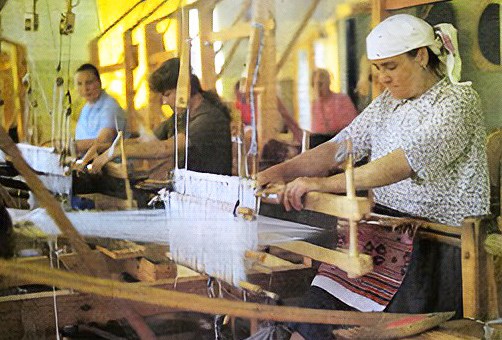
The article explores the history of the Neglyubka village and its unique artistic tradition, preserved by its bearers through the centuries. This is a story not only about a vibrant phenomenon of folk culture in southern Belarus, but also about its thorny path from local craft to prosperity and worldwide fame, and then the beginning of its decline after the Chernobyl accident. The author shares her views on how to protect this element of intangible cultural heritage from extinction.
DISCOVERING YOURSELF

Director of the Institute of Genetics and Cytology of the National Academy of Sciences of Belarus, Doctor of Medical Sciences, professor, and Honored doctor of the Republic of Belarus, states that each stage of her professional career, either in medicine, or politics, or teaching, has been a time of hard work. But the pursuit of new knowledge and the desire to help others inspire new achievements and give her work a profoundly human meaning.
The Scientific Secretary of the Department of Physical and Technical Sciences of the National Academy of Sciences of Belarus, Candidate of Technical Sciences, an associate professor, discusses the challenging path in science, which can be navigated through determination, the ability to critically evaluate results, and the desire to benefit not only oneself but also the country.
SCIENCE SPHERE

The author investigates the reasons why the publishing house, the predecessors of which were the publishing houses «Navuka i tekhnika», and later «Belaruskaya navuka» (1996–2005), «became younger» by as much as 2 years.
INFOLINE
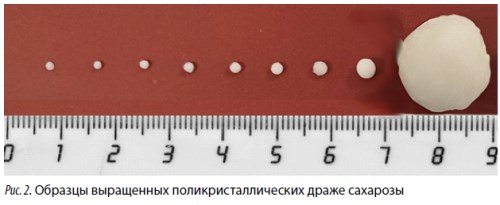
The authors presented a functional diagram with a brief description of the developed software-hardware complex for experimental production of polycrystalline sucrose dragees under the control of the operator's personal computer according to special technological maps for each type of production.
DISSERTATION RESEARCH
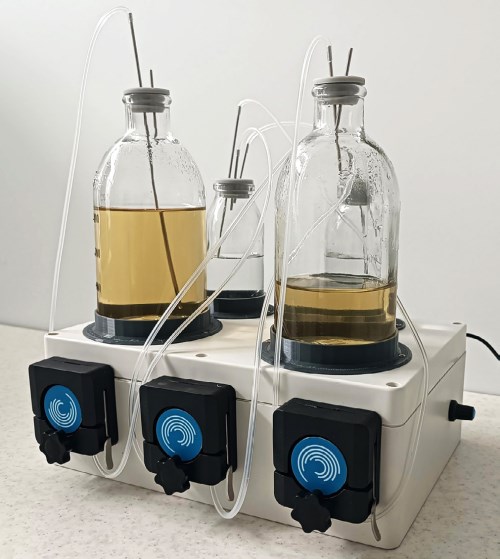
The issue of preclinical testing of medical materials and drugs using automated bioreactors and perfusion dynamic in vitro systems as alternatives to animal models within the 3R principle (Replacement, Reduction, Refinement) is considered. The advantages of such systems are discussed: physiological relevance, control of parameters, reduction of costs and ethical risks. Developments of the Institute of Physiology of the NAS of Belarus are described – bioreactors for modeling antibiotic therapy and testing orthopedic materials.
ISSN 2412-9372 (Online)