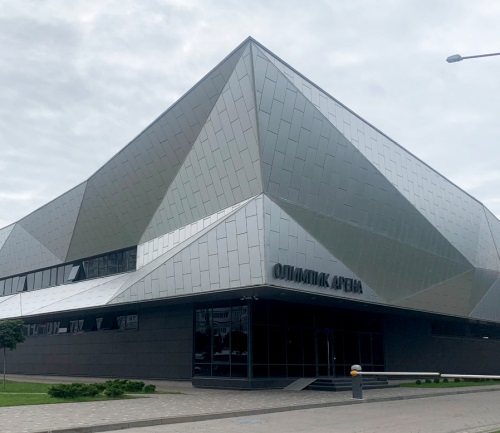
The article considers the concept of the city as a complex, self-developing biosystem throughout the 20th and 21st centuries. Experimental and implemented projects are examined, revealing the specifics of contemporary urban strategies based on the concept of the city as a biosystem.
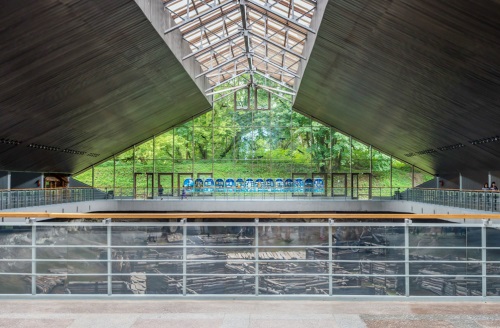
The author considers the Belarus' experience in improving the living environment, where architectural creativity addresses not only current challenges but also looks to the future.

The article considers the issues of preserving cultural identity in architecture. It is shown how the problems of representing the national identity and originality in architecture were solved in different periods of history being based on traditions, and current state and directions of world architecture development.

The author gives a concept for a comprehensive assessment of the urban material structure, taking into account scientific and technological advances in society. The need for further development of an indicator system characterizing the dynamics of new technologies implemented in architectural and urban planning is shown.
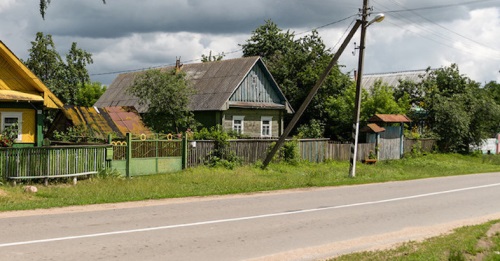
The author considers the history of the Belarusian village from the early 20th century to the present day. He shows the development of architectural planning tools used in the construction of rural settlements in Belarus. Particular emphasis is placed on the architecture of agro-towns.
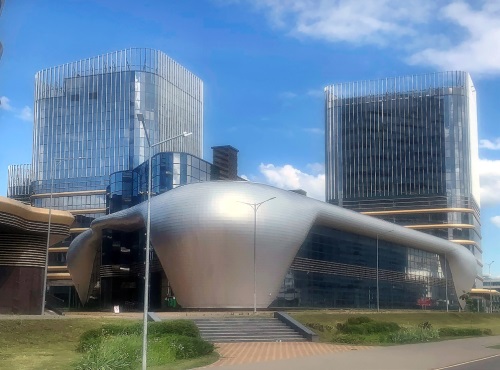
The article considers the contemporary concepts of urban space that have developed in the sociocultural context of the information age. It examines the theoretical provisions of architectural historians and sociologists on the specific interpretation of space in the 20th and early 21st centuries and their implemeting in architectural and urban planning practice.
INNOVATION ECONOMY

The author examines the three-tier system of state support for innovation and proposes approaches aimed at maximizing the innovative potential of the national economy and increasing the contribution of entrepreneurs to its development.
DIGITAL PERSPECTIVE

Sergey Markov, a specialist in artificial intelligence and machine learning, shares his vision of the artificial intelligence development, its impact on technology, social interactions, economics, and various areas of life.
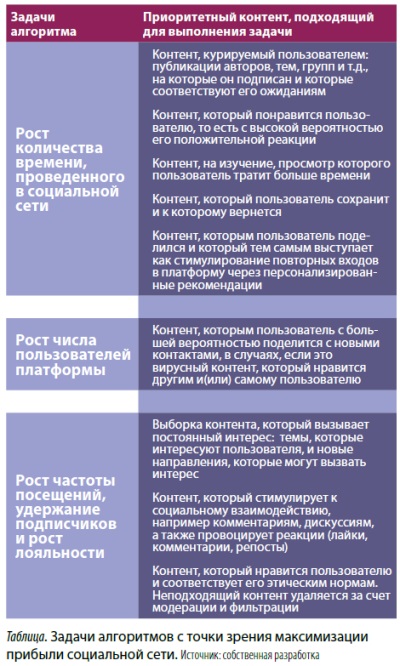
This study investigates the operating principles of social media algorithms to develop evidence-based recommendations for enhancing marketing strategies amid the digital transformation of the economy. By reconstructing the algorithms' logic, derived from the platforms' economic objectives, a conceptual model of content ranking is proposed. This model frames ranking as a function of weighted factors operating within a set of predefined constraints. The study systematizes the types of content prioritized by these algorithms to achieve their goals: relevant, engaging, interaction-provoking, and loyalty-fostering content. The findings demonstrate that an effective SMM strategy must be oriented toward creating content that is simultaneously relevant to the target audience's interests and aligned with the platform's economic goals of user retention and attention monetization. The proposed model provides a theoretical foundation for further applied research aimed at identifying and verifying key ranking factors.
ТРЕНДЫ ГЛОБАЛЬНОГО РАЗВИТИЯ
The article analyzes the brief history of the narrative economics as the latest direction in economic science, as well as the scientific disciplines that played a key role in its development.
НАУКОСФЕРА

Is it possible to figure the time? Why is its image important to us? And in what language is the future of the Universe written? To these and many other questions, the author finds unconventional answers from a philosophical perspective, drawing on multidisciplinary knowledge.
DISSERTATION RESEARCH
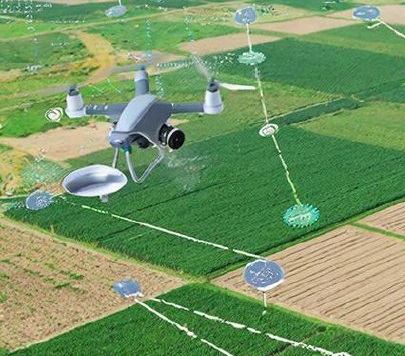
Digitalization of crop production is inextricably linked with the introduction of experimental technologies for managing crop productivity, taking into account local characteristics within each field, using developments in the field of artificial intelligence, the Internet of things, big data analysis, robotics, satellite technologies, etc., and is the main factor in effective, environmentally friendly and sustainable agriculture, ensuring the country's food security in the face of climate chang and the growing global demand for food. The article is devoted to the search for ways to use the potential of soil fertility and optimize the cost of obtaining a crop of a given quality using experimental precision farming technologies.

ISSN 2412-9372 (Online)